

Funds announced to combat invasive species
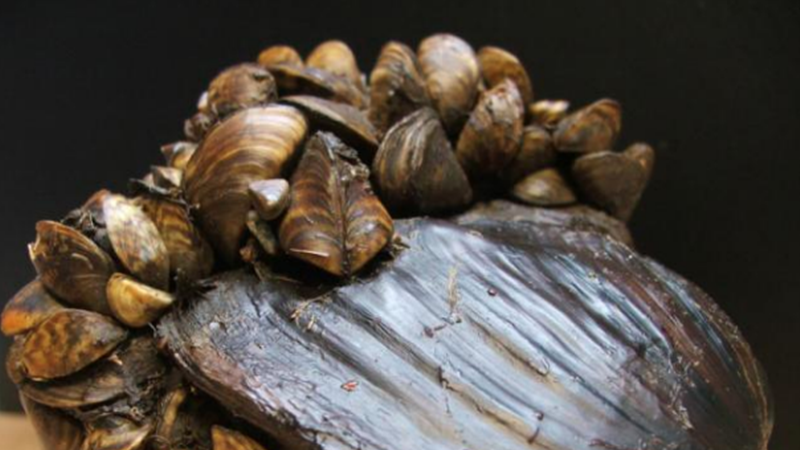
From noxious non-native plants to the threat of invasive mussels, B.C. and the Okanagan are under attack and the provincial government has added $12 million in additional funding to the fight.
While the zebra or quagga mussels and eurasian milfoil have been in the news, there is a long list of invasive species appearing in the area.
“We have dozens and dozens of invasive species. We prioritize about two dozen plant species, but there are emerging issues with insect pests, invasive clams in Shuswap and Osoyoos lakes, invasive squirrels and birds, it`s a huge list,” Lisa Scott, the executive director of the Okanagan and Similkameen Invasive Species Society (OASISS) said.
Purple Loosestrife will be familiar to many Vernonites, after a major infestation took hold around Swan Lake last year. While many found it pretty, it can very quickly take over large areas and choke out native species.
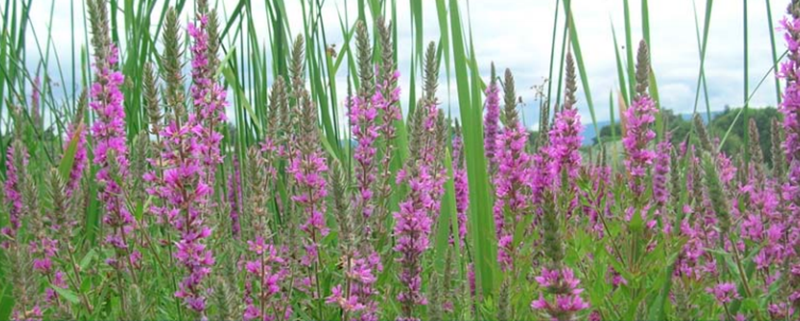 Purple Loosestrife. (submitted photo/Okanagan and Similkameen Invasive Species Society)
Invasive species are plants, animals (including insects) and fungi not native to B.C. or are present outside of their natural distribution area. They can spread rapidly, outcompete or feed on native species, dominate natural and managed areas, and alter ecosystems. Some invasive species are toxic to people, pets, livestock and wildlife.
A lot of the problems that exist now were caused by people knowingly or unwittingly transporting species into the Okanagan. Mysis shrimp and Canada Geese are two examples in the North Okanagan.
There are also several invasive ornamental plants introduced in urban landscaping, like bamboo, certain grasses, bushes, vines and trees, that have native alternatives.
“Be aware of what invasive species are in your community. We want people to take action. It is about understanding the pathways of spread,” Scott added. “The big movements are caused by us as humans.”
The funds will be used for detection and removal of invasive species, as part of its economic recovery plan to support jobs and help communities cope with the ongoing impacts of the COVID-19 pandemic.
“Invasive plants and animals can disrupt habitat, displace native species and negatively impact our environment and the economy,” Katrine Conroy, minister of forests, lands, natural resource operations and rural development said. “This new investment will provide training and skill development opportunities to support invasive species detection and control efforts by the Invasive Species Council of B.C. and other partners throughout the province.”
The $12 million in funding will provide training and job opportunities to support the detection of new invasive species incursions, control priority invasive species throughout the province and help increase public awareness and reporting of invasive species sightings.
The funds will be divided as follows:
- $8 million will go to the Invasive Species Council of B.C. to provide expanded training and outreach opportunities, and to collaborate with land managers, local governments, Indigenous communities and others to detect and remove invasive species throughout B.C. over the next 15 months.
- $3 million will be provided to established invasive species management partnerships with Indigenous groups, regional invasive species organizations, local governments and others, delivered through the ministry’s ongoing funding program.
- The new funding has also provided $1 million to support planning and expanded invasive species control efforts with in four government ministries.
OASISS has been operating for 25 years and receives funding from up to 20 different sources including the provincial government, which means lots of grant writing.
“A lack of stable consistent funding has always been a huge issue. It’s very difficult to plan and run programs when you don’t know what the budget looks like,” Scott said. “Any funding is welcome news, but I have received no confirmation on how much is going to filter down or even get to the Okanagan.”