

Okanagan benefiting from correctional transition supports
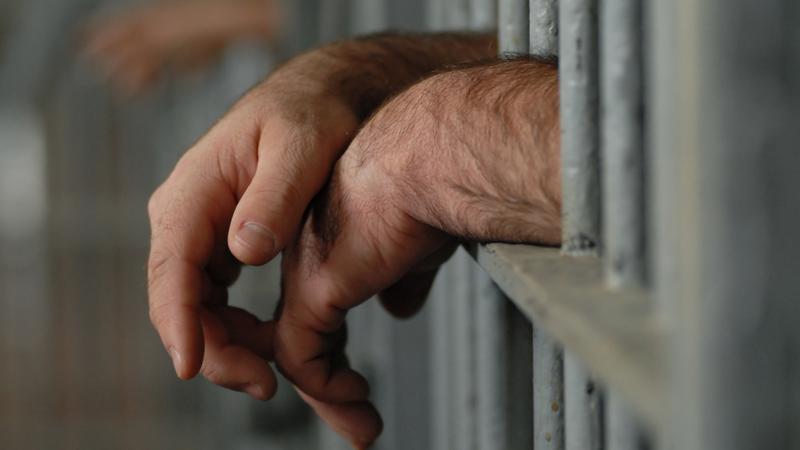
More British Columbians being discharged from prison, including those in the Okanagan, will be able to access supports to transition back to every day life.
The B.C. government is expanding its Correctional Transition Teams (CTTs) program to make it easier for people leaving correctional facilities to get back on track, avoid re-offending and drugs, and reintegrate back into everyday life.
“[People] being discharged from prison face so many challenges, from navigating health care, to getting a roof over their head. Often people have lost homes, jobs, families and some social skills during incarceration,” Minister of Mental Health and Addictions, Sheila Malcolmson said in a media release.
“Starting over can be overwhelming and triggering, that’s why shortly after, they are 12 times more likely to die of toxic drug overdose. We know also that without proper mental health and substance use support, people are much more likely to re-offend. That’s bad for communities and bad for people caught in the cycle of re-incarceration.”
In an effort to reduce the number of released prisoners re-offending or turning back to drugs, the province launched the Corrections Transition Teams program in 2019 to offer assistance to individuals and ensure they were supported .
That program is now being expanded to five more communities, with one of the teams to be operating out of the Okanagan Correctional Centre in Oliver.
The others will be located in Maple Ridge, Chilliwack, Port Coquitlam, and Saanich.
The province is also expanding the size of the teams at all existing and new locations to include social workers, nurses, peer support workers and Indigenous patient navigators. The timeline to access the program is also being tripled from 30 to 90 days.
The existing teams currently operate in Kamloops, Surrey, Prince George, Nanaimo, and Maple Ridge.
“These new and expanded teams will connect people to services like mental health and substance use treatment; referrals to after-hours crisis response; and psychiatric, clinical, social and specialized support among other things,” Malcolmson said.
Since its launch in 2019, CTTs have helped approximately 1,500 people access supports post-release.
Malcolmson stated the expansion of the program will ensure people leaving correctional facilities across all of B.C. will be able to access supports to make successful transitions back to everyday life.
The hiring process is underway for the new and expanded teams.
“The treatment and supports people get in the weeks following release from a correctional centre are key for a safe transition back into community. Following release from corrections, people, especially those with mental health and substance use challenges, are at increased risk of toxic drug poisonings,” said a statement from the Ministry of Mental Health and Addictions to Vernon Matters.
The ministry said in addition to doubling the number of teams – from five to 10 communities across the province – the government is also increasing the size and capacity of all the teams, and tripling the length of time people get CTT services.
“These new teams and enhanced program, including at the Okanagan Correctional Centre in Oliver, have been ramping up. Currently, a nurse and social worker are in place. Recruitment is still underway for a peer support worker and Indigenous Patient Navigator, with the team expected to be operational this month,” the statement said.