

Province announces two year rate freeze at ICBC
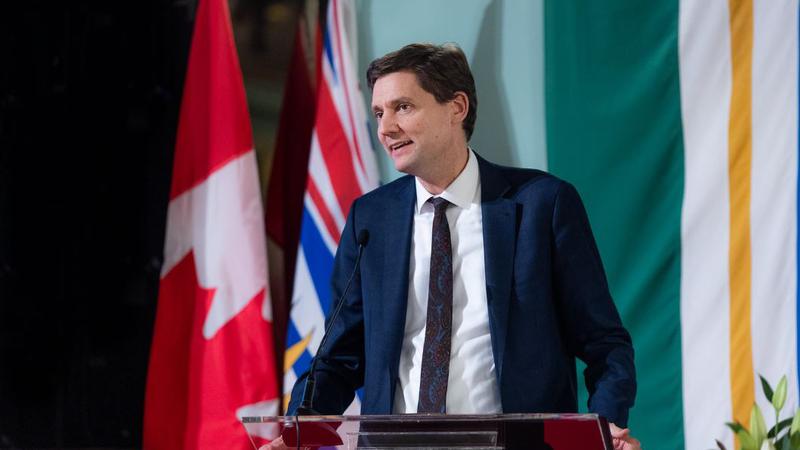
B.C.’s premier has announced a new measure to keep a lid on auto insurance rates.
David Eby told a news conference at ICBC’s head office in North Vancouver, ICBC is filing an application with the B.C. Utilities Commission (BCUC) for no increase to basic insurance rates for the next two years, which he said will mark five years of no increases to basic insurance rates.
“This will help keep insurance affordable at a time when people are facing significant cost pressures,” Eby said.
Public Safety Minister Mike Farnworth said since the introduction of enhanced care in May 2021, B.C.’s auto insurance rates have gone from some of the most expensive in Canada to being among the most affordable.
“With this latest action, basic insurance rates will now be at their lowest level since 2014,” Farnworth said.
A Canada-wide rate comparison report by Ernst and Young looked at 30 different driver profiles and compared how much auto insurance would cost in nine provinces across Canada. The report found that British Columbians pay among the lowest auto insurance rates in Canada.
Eby was asked how the province can afford this move when ICBC is projected to lose an estimated $298 million this year.
“It is important to know that the underlying business at ICBC, their ability to offer low rates and good benefits and be financially sustainable, is core to our government’s priorities and to ICBC’s priorities. That’s why it’s important that ICBC be able to keet the expectations of British Columbians, but also add to reserves to make sure those buffers are there in good times and in bad,” Eby said.
Nicolas Jimenez, president and CEO of ICBC, said the business itself made $117 in the second quarter.
“So you have to separate how is the business running versus how are the investment markets treating our $200 billion investment portfolio,” Jimenez told the media.
He said there will be times when more money is made from the investments and others when the value decreases.
“But the core of the business is doing very well,” Jimenez added. “And we can afford to do what we’re doing today.”