

New web page dedicated to zero-emission vehicle projects in Canada
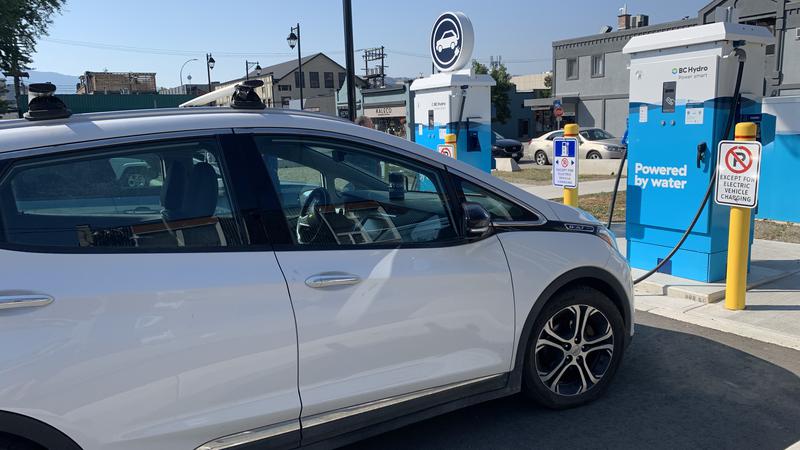
Finding information on supports available for zero emission vehicle (ZEV) projects has been simplified.
The Canadian government has launched a new landing page for ZEV infrastructure projects.
Julie Dabrusin, parliamentary secretary to the Minister of Natural Resources and Minister of Environment and Climate Change, announced the new web page while in Vancouver today (Jan. 19).
The new page brings together federal programs that support the development of electric vehicle chargers and hydrogen refuelling infrastructure across the nation in one location.
The landing page, which is led by Natural Resource Canada (NRCan) and supported by Infrastructure Canada and the Canada Infrastructure Bank (CIB), is intended to make it simpler for Canadians to locate federal support in developing publicly available chargers.
“Investments in infrastructure that accelerate Canada’s transition toward net-zero are a key element of the CIB’s mandate,” Ehren Cory, CEO of CIB, stated.
“Through initiatives like our zero-emissions fleet lending program to our recently announced $500 million Charging and Hydrogen Refueling Infrastructure Initiative, the CIB is moving at scale and speed to make this a reality. By collaborating with partners in both the public and private sectors, and by working with NRCan and other federal departments, the CIB is making significant progress in reducing the carbon intensity of Canada’s transportation sector.”
Dabrusin also announced a $280,000 investment in PCI Developments to install 75 EV chargers at two multi -unit residential buildings in Vancouver. The developer is matching the federal government’s contribution in this project.
“Projects such as this are vital to reducing emissions, providing Canadians with access to charging and creating sustainable jobs,” Dabrusin said.
“The Government of Canada is supporting these vital projects through a newly enhanced set of digital resources to access funding from federal departments and the Canada Infrastructure Bank.”
The funding for the chargers is coming through NRCan’s Zero Emission Vehicle Infrastructure Program. It’s expected that the 75 new chargers will be ready for use by this November.