

Alberta’s ban on B.C. wine sales could have “serious repercussions” on industry: B.C. MLA
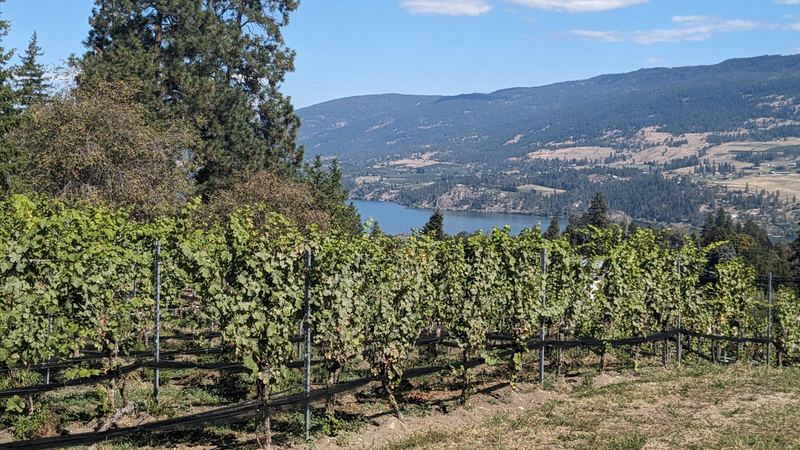
Alberta’s liquor wholesaler has put a ban on certain B.C. wine sales in the province, which an Okanagan MLA says could negatively impact B.C.’s wine sector.
“Recently, Alberta has taken action to stop direct-to-consumer delivery of wine from B.C. producers. This move doesn’t only affect Albertans’ freedom to choose what wine they can enjoy, it has serious repercussions on grape growers and winemakers where I live and throughout our province,” Rolly Russell, the Parliamentary Secretary for Rural Development and MLA for Boundary-Similkameen, stated in a release.
“I know that this action couldn’t come at a worse time for our growers, given recent climatic events, and it’s baffling that Alberta would decide to do this now. Our government takes this issue very seriously. Mike Farnworth, Minister of Public Safety and Solicitor General, who is responsible for liquor in B.C., has met with his Alberta counterpart to urge them to stop what they are doing. That is just the beginning. I know he is determined to get an outcome that will benefit our wine industry.”
Russell went on to say that B.C.’s wine sector has faced many challenges related to extreme weather events and climate change in recent years, including crop damage and loss caused by winter-freeze events and wildfires, resulting in production shortages.
“These are challenging times for wineries, and our government will continue to support and stand up for grape growers, winemakers and the British Columbia wine industry,” Russell stated.
“We’re supporting growers with the climate-related challenges they’re facing. For example, our government has taken action to provide financial assistance for income loss due to crop failure. Last year, approximately $27 million in production insurance claims were provided to growers who lost crops due to last winter’s freeze.”
Russell added actions have been taken to support the sector, such as granting exemption to minimum wine-production levels so producers could renew licenses, and was meeting with grape growers and wine producers to understand the impact these issues have had on individuals, businesses and the economy .
“B.C.’s wine sector bolsters tourism, provides employment opportunities and has economic benefits for people who live in British Columbia,” Russell said.
“Our government and I will continue to work collaboratively with B.C. wineries and grape growers to ensure the long-term sustainability and success of an industry that is integral to the fabric of our region.”
Speaking to media at a health care announcement in Vernon Friday, Feb. 2, Premier David Eby stated the impact of the past few years to B.C.’s grape growers was “devastating” and that it was “really hard to understand why Alberta would choose this moment” to ban the sales of B.C. wine.
“I know my colleague, Minister Mike Farnworth, has reached out to his counterpart in Alberta to discuss this, he’s our minister responsible for liquor, to underline the importance of the Alberta market for B.C. wine growers to make sure that Alberta understands the impact of the decisions that they’re making,” Eby stated.
“They had a good conversation and I hope they will be able to reach a resolution on this.”
Eby added the province has committed to supporting the entire agricultural sector, including grape growers and fruit growers, to address the impacts of extreme weather events, saying “we’re going to continue to find ways to support those farmers because they support us with the food they produce.”