
Okanagan drivers reminded to be on the lookout for wildlife
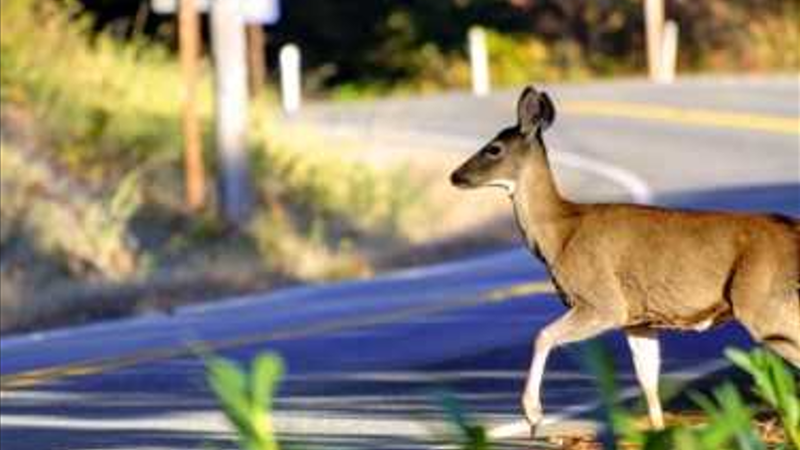
A road safety advocacy group is reminding Okanagan drivers to be on the lookout for wildlife on the highways.
Road Safety At Work says there are roughly 9,900 wildlife vehicle collisions reported every year in B.C., noting that figure is likely much lower than the actual number of incidents, adding collisions with deer and moose often increase in June and July.
“Wildlife collisions often happen with little or no warning and are traumatic for everyone involved,” Trace Acres, Program Director for Road Safety at Work, stated.
“Drivers, their passengers, and animals can be injured or killed by the initial impact.”
The organization says the risks of wildlife collisions increase this time of year, as animals change their normal travel areas due to wildlife feeding and reproductive seasonal habits. Wildlife collisions are most common during dawn and dusk when animals are most active and light conditions are low.
An adult elk can weigh more than 300 kg, and moose can get as large as 700 kg, and colliding with animals of these sizes can result in serious injuries to a vehicle’s occupants.
To avoid such incidents, Road Safety At Work advises drivers remain alert during peak wildlife hours; watch for animal crossing signs; slow down when an animal is along the side of the road; pay attention to other drivers; and plan routes to avoid wildlife corridors during high-risk times.
“You can’t control what wildlife does, but you can take steps to reduce your risk of a collision,” Acres said.
“Understanding the patterns of wildlife activity and adjusting driving habits accordingly is crucial for preventing these potentially fatal encounters.”