

Province moves ahead with modernizing B.C.’s forestry sector
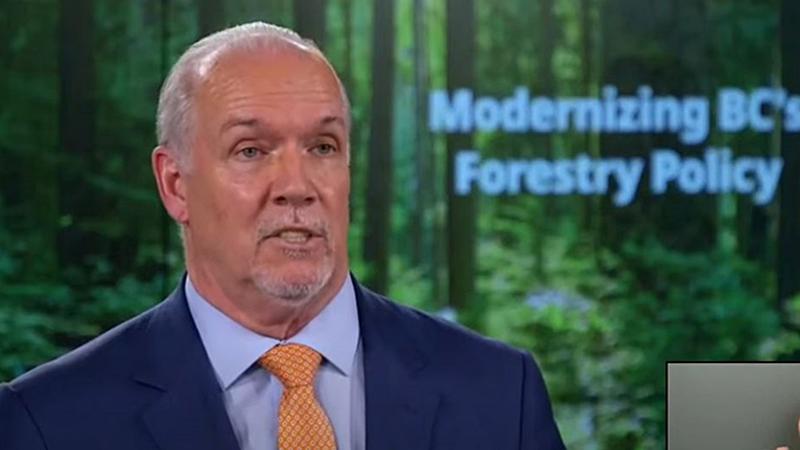
The B.C. government is modernizing its forestry policies to address today’s challenges.
Premier John Horgan told a media conference that forests are at the heart of B.C.’s identity, are essential to a healthy environment and provide good jobs to tens of thousands of residents.
“We inherited our beautiful ancient forests, and we owe it to future generations to protect them. We have already taken action by deferring hundreds of thousands of hectares and protecting 1,500 groves with big, iconic trees. But we know there is more to do. Current forestry policies—put in place two decades ago—don’t adequately address today’s challenges. They have limited our options to adapt to the impacts of climate change, protect old growth, share the benefits fairly with local communities or move forward on reconciliation,” Horgan said.
Horgan added the plan to modernize forest policy and protect old growth will take time to fully implement.
“It is focused on three guiding principles: increased sector participation, enhanced stewardship and sustainability, and a strengthened social contract to give government more control over management of the sector,” said Horgan.
The released intentions paper reinforces government’s other actions on forests, including the commitment to implement all recommendations coming out of the independent old growth review. Additionally, the proposed changes to forestry policy will address the rapid decline of available timber and promote higher-value wood products like mass timber. It also recognizes that responsibly managed forests are a legacy for future generations. They are a high-value resource in a global market demanding more sustainably sourced goods.
“The future of the forest industry impacts us all, so what we do now is vitally important,” said Katrine Conroy, Minister of Forests, Lands, Natural Resource Operations and Rural Development. “We are taking action to not only address the challenges facing forestry in British Columbia today, but also so our children and grandchildren may benefit from the opportunities our forests provide.”
The proposed changes to forest policy as outlined in a new intentions paper include a compensatory framework to redistribute forest tenures to Indigenous Nations, forest communities and small operators.
In 2020, forest products represented 29 per cent of B.C.’s total exports, valued at $11.5 billion, and the sector provides good-paying jobs to more than 50,000 workers.
To view the modern forest policy, visit: https://www.gov.bc.ca//modernforestpolicy