

Public warned that unintentional poisoning can affect everyone
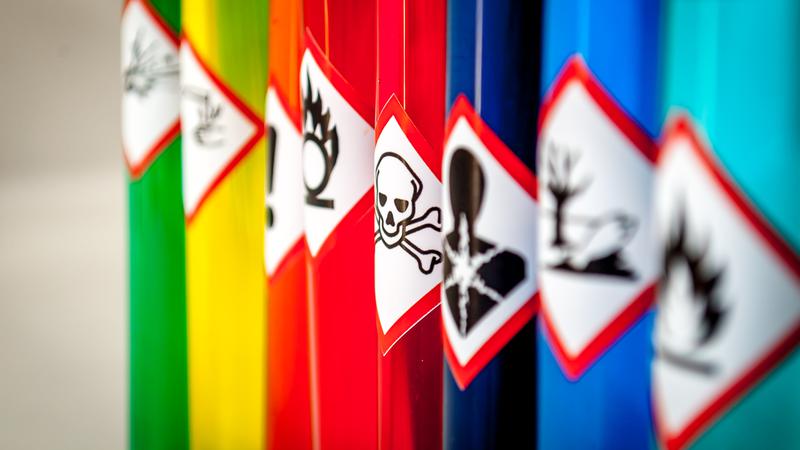
It’s Poison Prevention Week, and the B.C. Drug and Information Centre is reminding people that it’s not just children who can be victims of unintentional poisonings.
The B.C. Drug and Poison Information Centre (DPIC) states that 35 per cent of calls for unintentional poisonings are linked to adults.
From 2020 to 2021, there were 13,240 calls to the centre for unintentional poisonings in adults age 20 and over.
The most common substances for adults aged 20 to 59 to be exposed to include carbon monoxide, bleach and other cleaners.
It’s noted that carbon monoxide poisoning can occur at home with faulty furnaces or stoves or in workers using gas powered tools in unventilated areas.
Poisoning can also happen when handling or mixing cleaning chemicals, which along with toxic fumes, can also cause chemical burns if splashed in the eyes or on the skin.
Medicines and chemicals that are inappropriately stored or taken out of an originally-labeled container can lead to unintentional poisoning. The most common scenario involving these circumstances is when a beverage container is used to store a chemical like a cleaner or antifreeze and is consumed by an unknowing individual.
In adults aged 60 and older, medication error, such as taking the wrong dosage or drug, is also common.
Children, especially young children learning to explore, can be poisoned by many common household items including cleaners, cosmetics, plants and mushrooms. The most common substances involved in young children poisoning are acetaminophen products, ibuprofen and hand sanitizers.
In order to prevent unintentional poisoning, people are reminded to:
- Ensure a room is well ventilated when using gas or wood burning appliances;
- Not re-bottle medicine or chemicals in food or drink containers;
- Not mix bleach with other cleaning products as it may create toxic fumes;
- Always read the drug label before taking medication;
- Write down what medication has been taken and when to avoid double dosing;
- Not store medicines with other chemicals;
- Ask pharmacists to blister pack medications for ease of use and to avoid dosage errors;
- Dispose of expired or unused medications at a pharmacy;
- Store medicine and chemicals out of the reach of children or in a locked cupboard or tackle box.
In the case of a suspected poisoning, people are advised to call the B.C. Drug and Poison Information Centre at 1-800-567-8911. That number can be reached 24/7.