

Police warn of rising tap, online, and communication scams
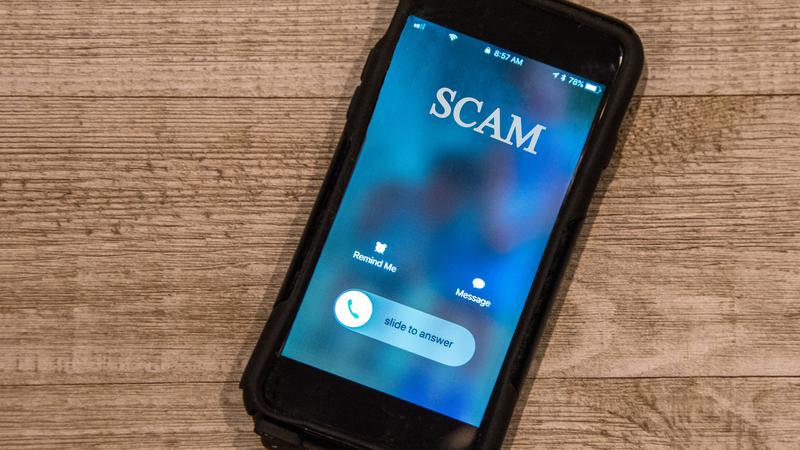
RCMP in the Okanagan are warning the public of increasing cases of tap, communication and online scams.
Tap fraud involves obtaining someone else’s credit or bank card and using them for tap-purchases.
Kelowna RCMP say these crimes typically begin with the theft of a purse or wallet, especially those left in vehicles. Police remind the public not to leave any valuable items visible in vehicles and to lock the doors and roll up the windows.
Mounties also warn that there has been an increase in fraud through online market place purchases with a request of payment prior to the item being delivered. People are reminded not to provide strangers with money ahead of the items changing hands.
The RCMP say communication scams have also been on the rise. These involve someone calling or emailing a victim claiming to be from a law enforcement agency, and may include logos or other identifiers that appear legitimate.
These cases can involve accusing someone of a criminal charge and asking they contact them to avoid jail, demanding money to avoid jail, or include a malicious attachment that the victim is asked to open.
“Law enforcement, or any level of government and financial institutes, will never demand payment especially using gift cards or other alternative payment options. These institutes often threaten arrest via email or phone,” Const. Mike Della-Paolera, media relations officer with the Kelowna RCMP, said.
“If in doubt, contact the law enforcement agency directly.”
Other scams known to police are Canada Revenue Agency (CRA) or Service Canada scams, as well as the grandparent scams.
The CRA and Service Canada scams typically involve an individual contacting the victim and claiming they have a compromised Social Insurance Number, have an outstanding case against them, owe back taxes, have unpaid balances, or have committed a financial crime.
The scammers may threaten to arrest, fine or deport the victim if they do not comply, and usually ask for payment via money service or prepaid credit and gift cards.
The grandparent scam typically targets seniors and involves someone calling the victim and claiming their grandchild is in legal trouble and needs a large sum of money for bail. Mounties warn that the fraudsters may already know the name of the victim’s grandchild as well as what they refer to the senior as, such as Nana or Grandpa.
Police advise people be prepared for these calls, noting that most of these scammers will demand the victim not tell anyone about sending the money or the case involving their grandchild.
In these cases victims are urged to not send the money and instead call the grandchild or another family member to verify the claims.
Anyone who experiences any of these scams are advised to report them to their local police as well as to the Canadian Anti-Fraud Centre at 1-888-495-8501.