

Flu and RSV cases rising in B.C., COVID-19 activity decreasing
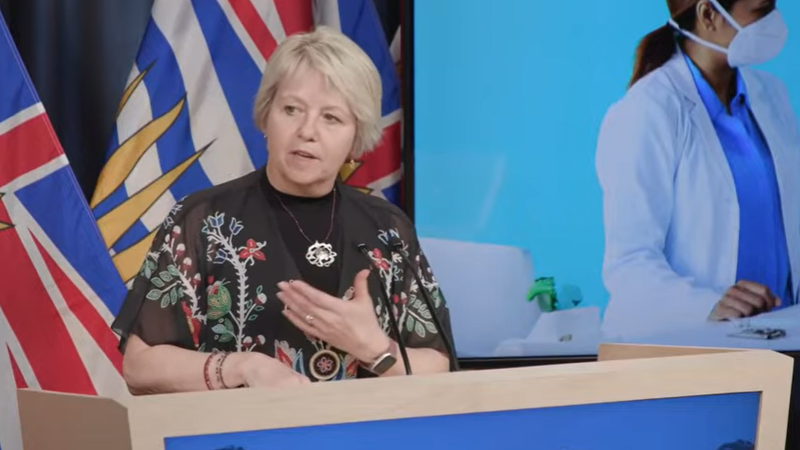
B.C.’s top doctor encourages people get vaccinated against respiratory illnesses as the holidays approach.
During an update on the respiratory illness season Monday, Dec. 11, Dr. Bonnie Henry stated while COVID-19 activity in the province has been steadily decreasing and staying relatively low from the peak in October, cases of Influenza A, particularly the H1N1 strain, and of Respiratory Syncytial Virus (RSV), have been increasing.
Henry said there have also been increases in both adults and children seeking health care for respiratory symptoms.
Henry said these factors show that B.C. is well into the respiratory illness season, but added that the data shows it to be more similar to pre-pandemic years with peaks of influenza and RSV, and more influenza expected following the holidays and in the new year.
With that trend in mind, the provincial health officer encouraged people get vaccinated against these illnesses.
“The single most important thing we can do to prevent getting sick at this time of year is to strengthen our immune system by getting the updated COVID vaccines and influenza vaccine, and most people this year are able to get those at the same time,” Henry said.
All 2.3 million doses of influenza vaccine and more than 2.6 million doses of COVID-19 vaccine (Pfizer and Moderna) have arrived in B.C.
The remaining 173,000 doses of COVID-19 vaccine are arriving this week.
Novavax, a protein-based COVID-19 vaccine for people aged 12 and older, received Health Canada approval on Dec. 5 and is expected to begin arriving in the province this week (Dec. 11-15).
Henry added the updated NovaVaxx vaccine, which she called a more traditional vaccine compared to the mRna shots, was approved by Health Canada and should be made available soon.
People can book a vaccination appointment online or by calling 1-833-838-2323.
Henry said people who are ill should try to limit the risk of spreading it to others by frequent hand washing, wearing a mask in crowded places, and staying home and limiting exposure to others when symptomatic. She also said that a minor illness for one person could also be a severe illness for someone more vulnerable, and encouraged people take steps to protect themselves and others.
People who are ill and whose symptoms are worsening were also encouraged to seek medical treatment.
B.C. launched its respiratory illness immunization campaign on Oct. 10.
As of Dec. 10, the province reported 1,443,752 doses of influenza vaccines and 1,289,849 doses of the COVID vaccine were administered across the province.
Health Minister Adrian Dix stated the flu shots were down from the 1.51-million administered over the same period of 2022, though COVID vaccination were up from the 1.18-million over the same period the previous year.
In terms of national comparison, B.C. was leading the way in respiratory illness protections.
“Just an example, and these are national statistics from last week, from Dec. 3, the level of vaccination in British Columbia with the new COVID vaccines was twice as high as it was in Ontario, twice as high, well above any other jurisdiction in the country,” Dix stated, noting that this is not the work of the government but of the citizens who are protecting themselves and others from illness.
The data from the province noted 236,649 influenza vaccines had been administered in the Interior region as of Dec. 10, compared to 244,285 in 2022. A total of 212,316 COVID-19 vaccines have gone into arms in the Interior so far this year, up from the previous year’s 176,388 shots.
Dix said 46 per cent of the provincial population of people aged 80 and older have received their updated COVID-19 shot.